
Various Acupuncture Styles We Use At Good Life Acupuncture And Herbs
Acupuncture is a time-honored healing practice that has been supporting health and wellness for over two thousand years. At our clinic, we offer a variety of specialized acupuncture approaches: Traditional Chinese Medicine Acupuncture, Balance Method Acupuncture, Auricular Acupuncture, Scalp Acupuncture and Orthopedic Acupuncture. Each method is designed to restore harmony, relieve pain, and promote overall wellbeing. Though all of the approaches can be used to treat any health condition, a specific method may be better suited for certain conditions and get faster results.
Traditional Chinese Medicine
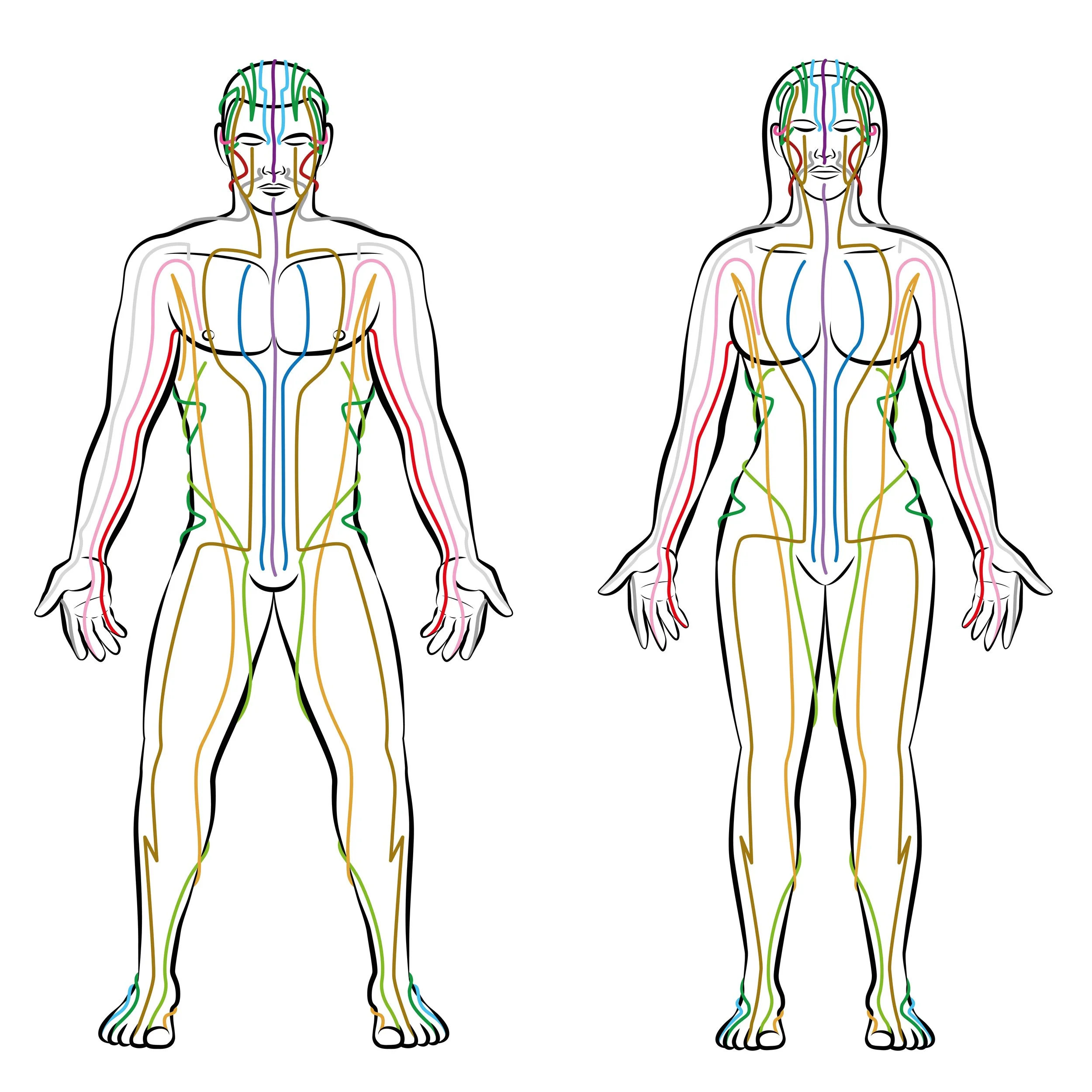
Traditional Chinese Medicine (TCM) acupuncture is one of the oldest continuously practiced medical systems in the world. It is based on the fundamental theories of Qi, Yin & Yang, the Five Elements, the Zang-Fu organ system, and eight principles of diagnosis. It is rooted in an understanding of the body as an interconnected, dynamic system that is influenced by the environment around it. The intent of treatment is to identify patterns of imbalance and bring the body into balance using acupuncture as well as other tools, including herbs and diet. Rather than focusing solely on symptoms, TCM acupuncture relies on pattern differentiation to understand the mechanisms behind health problems.
A core concept that originates from the one of the oldest TCM texts states, “One disease, many patterns; One pattern, many diseases” This means that people may present with the same disease symptoms, but have different patterns of imbalance that got them to that state. Likewise, people may have the same patterns of imbalance but they manifest different symptoms of disease. This is a remarkable insight of Chinese medicine that sets it apart from conventional medicine which treats symptoms rather than treating the individual. By conducting a thorough intake, reviewing all body systems, and observing the tongue, pulse and complexion, Chinese medicine offers a way to comprehend the root causes of illness. This is what is meant by pattern differentiation and it is essential for understanding how to effectively treat and cure illness in individuals.
TCM acupuncture is best used for chronic conditions, internal disorders, hormonal and digestive disorders, preventive care, and overall wellness. Acupuncture points are selected local to the origin of disease as well as distally on relevant channels to affect change in the system.
The principals of TCM infuse all other forms of acupuncture. The points on the 12 primary channels are the basis of or incorporated into other styles of acupuncture.
Balance Method
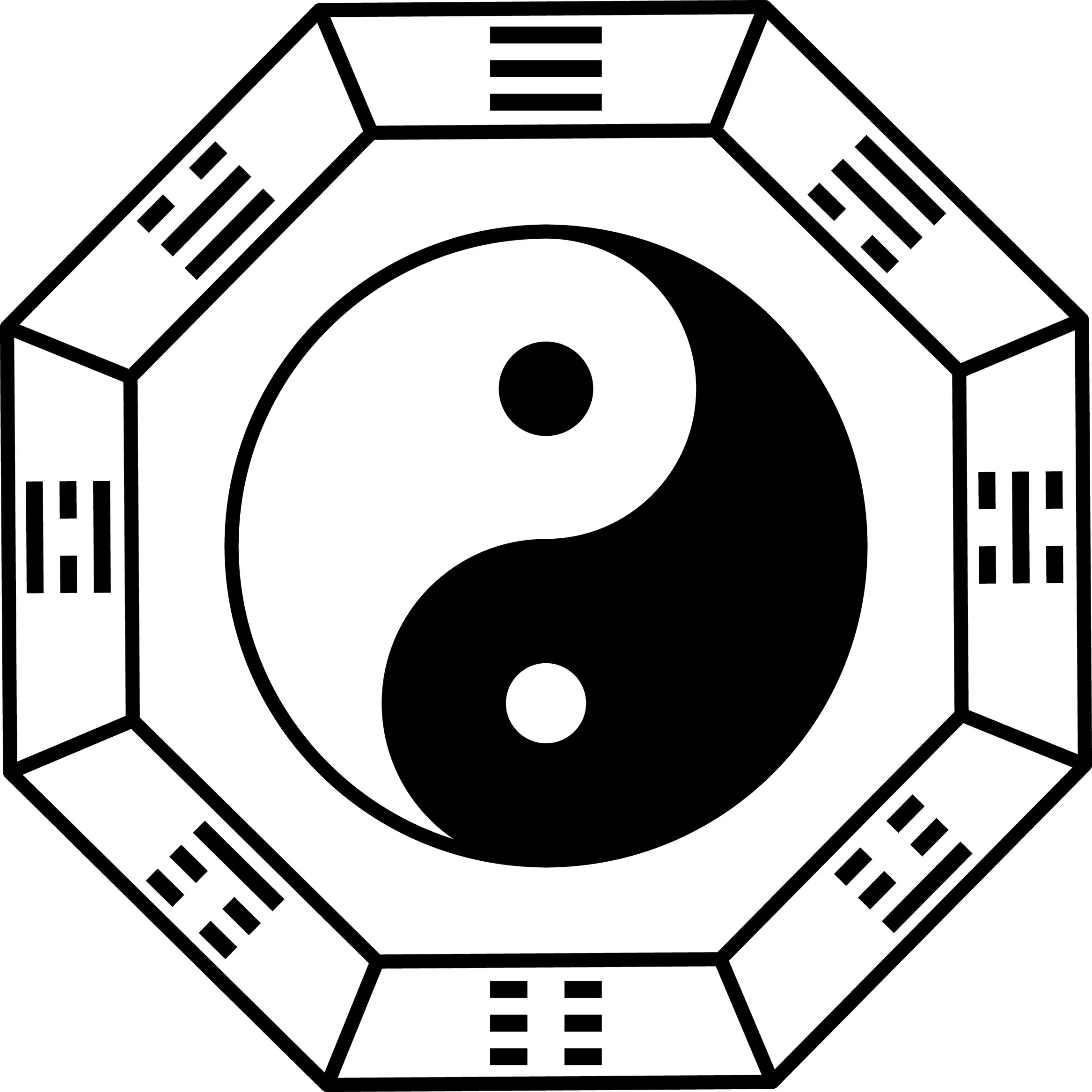
Balance method is a Chinese acupuncture system introduced by Dr. Richard Teh-Fu Tan, a practitioner from Taiwan. Known for its immediate effects and logical framework, it draws from ancient principals of the I Ching and the meridian system described in Traditional Chinese Medicine. At its core, the method relies on the twelve primary meridians, the concept of balance and mirroring, relationships described in the I Ching and channel interconnections. The fundamental belief is that pain or dysfunction arises from imbalance within these energetic pathways. By stimulating specific points on related meridians, balance can be restored quickly and effectively.
Compared to Classical TCM, which emphasizes organ syndromes and local needling, the Balance Method uses meridian theory and distal point selection rather than treating pain or illness at its exact location. It is known to achieve immediate and targeted results and is gaining significant popularity worldwide due to its remarkable outcomes. The Balance method is especially effective for acute pain, musculoskeletal conditions, anxiety and emotional stress.
Auricular
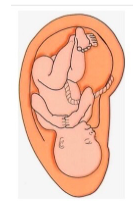
Auricular acupuncture, also known as ear acupuncture, is a specialized branch of TCM that focuses on stimulating specific points on the ear to treat conditions throughout the body.
It is based on the idea that the ear is a microsystem which reflects the entire body, much like the foot in reflexology. The body is mapped onto the ear in a pattern resembling an inverted fetus. The earlobe corresponds to the head and face, the antihelix represents the spine, the concha relates to internal organs, and the upper ear corresponds to the lower limbs. By stimulating specific points on the ear, it can influence the corresponding body regions and organ system.

One of the most well-known auricular acupuncture protocols is the NADA protocol, developed in the 1970s to support addiction recovery. The protocol uses five standardized ear points to promote: relaxation, emotional stabilization, detoxification support and reduced cravings.
Auricular acupuncture is widely used for: pain relief, stress management, addiction support and emotional regulation. It can be used as a stand alone treatment or to enhance a body treatment. Practitioners will sometimes use a tiny needle or seed adhered to a piece of medical tape on useful points to be worn for hours or even days after an acupuncture treatment. This helps extend the benefits of a treatment and continue the positive input to the body. These so-called “ear seeds” are often used for stress, insomnia, curbing appetite and pain relief.
Scalp

Scalp acupuncture, also called neuro-acupuncture, focuses on stimulating points on the head that impact the Central Nervous System. Integrating Traditional Chinese Medicine with modern neuroscience, it has been used for over 50 years to treat chronic pain and neurological disorders. This system uses a map of the scalp that corresponds to anatomical and functional regions of the brain, especially the cerebral cortex. Stimulation of specific points on the scalp activates brain neurons in the underlying area to promote cerebral circulation and recruit healthy brain cells.
Scalp acupuncture is highly effective after a stroke to regain motor control and minimize brain damage. It is widely used for neurological conditions such as Multiple Sclerosis, Parkinson’s disease, traumatic brain injury (TBI), and spinal cord injuries as well as speech difficulties, tremors, dizziness, vertigo, and balance issues. Phantom limb pain and complex regional pain syndrome (CRPS) have also been successfully treated by accessing points on the scalp to restore brain function. Besides treating neurological disorders, points on the scalp are also helpful in treating stress, anxiety and depression.
Orthopedic

Orthopedic acupuncture, also known as sports medicine acupuncture, is an anatomy focused approach that combines western orthopedics and Chinese medicine. Used specifically to rehabilitate musculoskeletal injury and improve muscle function, it targets bones, joints, muscle groups, and ligaments to promote healing. Though acupuncture has been used for centuries to treat and help heal bodily injuries, this specific focus on anatomic structures started in the 70’s with Whitfield Reaves who treated athletes on the U.S. track and field team at the Olympics in Los Angeles. Other practitioners, notably Matt Callison, have also created thorough bodies of work detailing treatment approaches to many musculoskeletal imbalances and injuries.
Electrical stimulation applied to the acupuncture needle is often used to enhance tissue healing and regulate muscle tension. Trigger point needling or dry- needling are an integral part of this style of acupuncture. In addition, manual therapies such as cupping, gua sha and moxibustion are often used.
The principals of Chinese medicine enhance the orthopedic approach by discerning a holistic view of a patient that takes into consideration constitutional tendencies and lifestyle habits that impact healing. Diet considerations, lifestyle shifts and Chinese herbal medicine offer additional tools to facilitate a full recovery and prevent reinjury.